


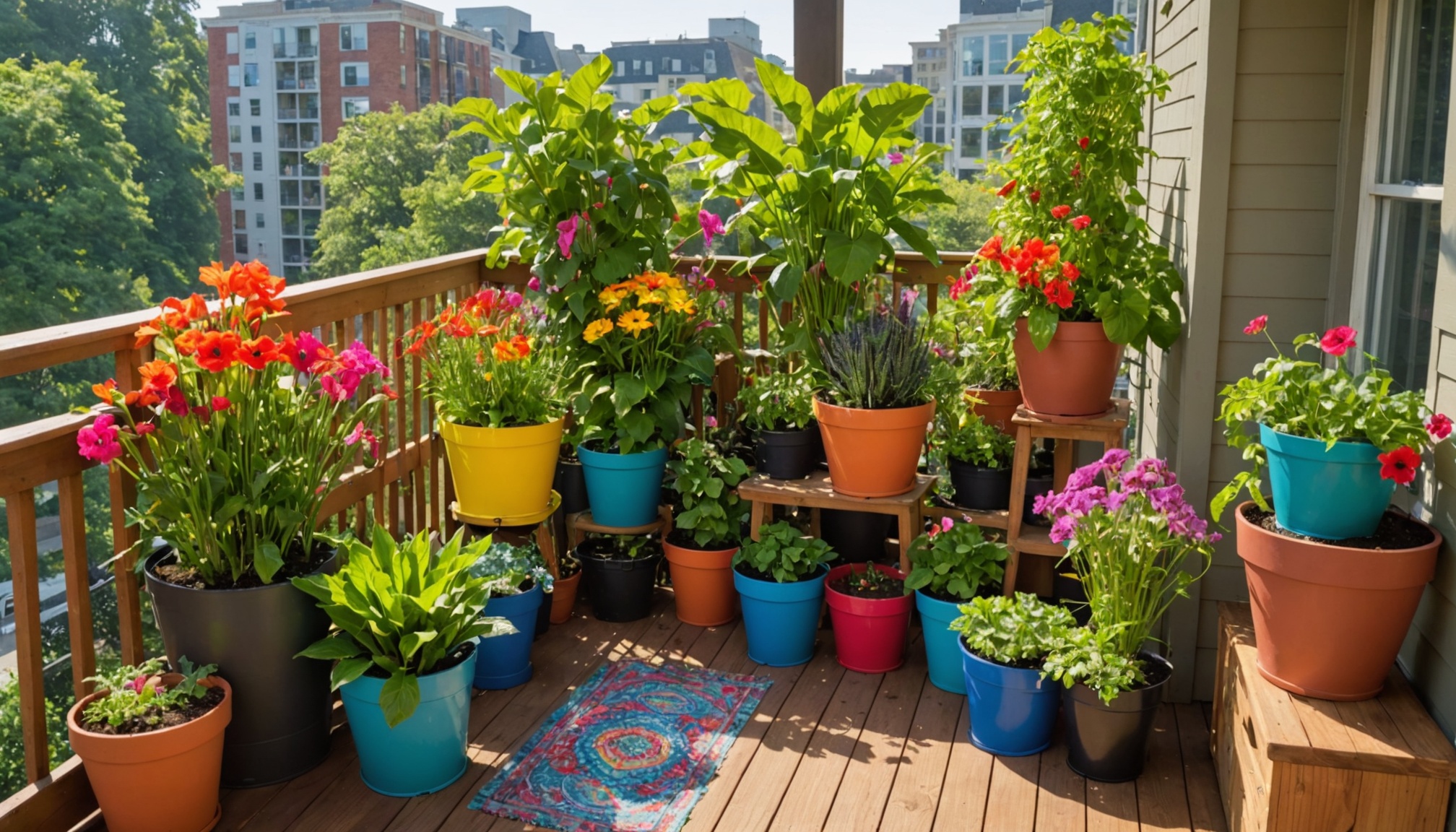
Growing Exotic Flowers on Your Balcony This Spring
Growing unusual and exotic flowers in a small space is one of the most rewarding things you can do this spring. If you've got a balcony, patio, or even a sunny windowsill, you've already got everything you need to get started. The good news? It's far easier than most beginners think.
Common Beginner Mistakes to Avoid
Most balcony gardeners stumble on a few predictable problems. Overwatering is the biggest culprit — containers need to dry out slightly between waterings, especially in spring when growth is rapid. Never use garden soil in pots; it compacts badly and drains poorly. Always go for proper potting compost instead.
Starting too many varieties at once spreads your attention too thin. Pick two or three interesting varieties first, master them, then expand. And don't plant in containers that are too small — restricted roots mean you'll be watering constantly and watching your flowers struggle.
Saving Money on Kit and Seeds
You don't need expensive gear to grow brilliant exotic flowers. Start seeds in recycled yoghurt pots or egg cartons before splashing out on proper seed trays. Make your own potting mix by combining peat-free compost with perlite and garden sand — it costs a fraction of shop-bought bags. Collect rainwater in a bucket or butt; it's better for your plants than tap water and completely free.
Buying seeds rather than plug plants saves serious money, especially if you're growing multiple varieties. A seed collection with 1,700+ seeds costs less than a handful of ready-grown plants.
Choosing the Right Containers
Fabric grow bags are brilliant for balcony gardening — they offer excellent drainage and air circulation around roots, which keeps plants healthier. Self-watering planters are ideal if you're forgetful or work long hours; they keep moisture levels consistent without daily fussing. Whatever you choose, drainage holes are non-negotiable — waterlogged roots kill plants faster than anything else.
Spotting and Fixing Common Problems
Yellow leaves usually mean overwatering or nutrient deficiency. Check your drainage holes first, then give plants a balanced liquid feed if the compost isn't waterlogged. Leggy, stretched seedlings are reaching for light — move them closer to a window or position a grow light directly above them.
Aphids cluster on new growth but blast off easily with a strong spray of water from a fine mist spray bottle. If flowers develop dark patches at the bottom, that's blossom end rot from inconsistent watering — keep soil evenly moist and it stops.
Companion Planting for Small Spaces
Growing the right plants together improves yields, deters pests naturally, and makes brilliant use of limited balcony space. Basil planted near exotic flowers is said to improve their vigour and repel aphids. Marigolds near most plants deter whitefly and other soft-bodied pests. Nasturtiums act as sacrificial plants — pests prefer them, leaving your prized flowers alone. Even in small containers, this mixed-planting approach adds biodiversity.
Your Spring Success Checklist
- Water in the morning so foliage dries before evening, reducing disease risk
- Check plants daily in warm weather — containers dry out much faster than ground soil
- Rotate which containers you use each season to prevent soil-borne disease
- Label your seeds as you sow them using bamboo plant labels — you'll thank yourself later
- Empty self-watering planter reservoirs occasionally to prevent salt build-up
Frequently Asked Questions
When should I start growing exotic flowers in the UK?
Start seeds indoors from February to March for the earliest flowers. You can sow outdoors after the last frost, typically mid-May. A heated propagator with thermostat gives you a real head start on the growing season and costs around £20–25.
How often should I water balcony containers?
Check soil daily in spring and more frequently as temperatures rise. Stick your finger 2–3cm into the compost; if it feels dry, water thoroughly until it drains from the bottom. In hot spells, daily watering is normal for small pots.