


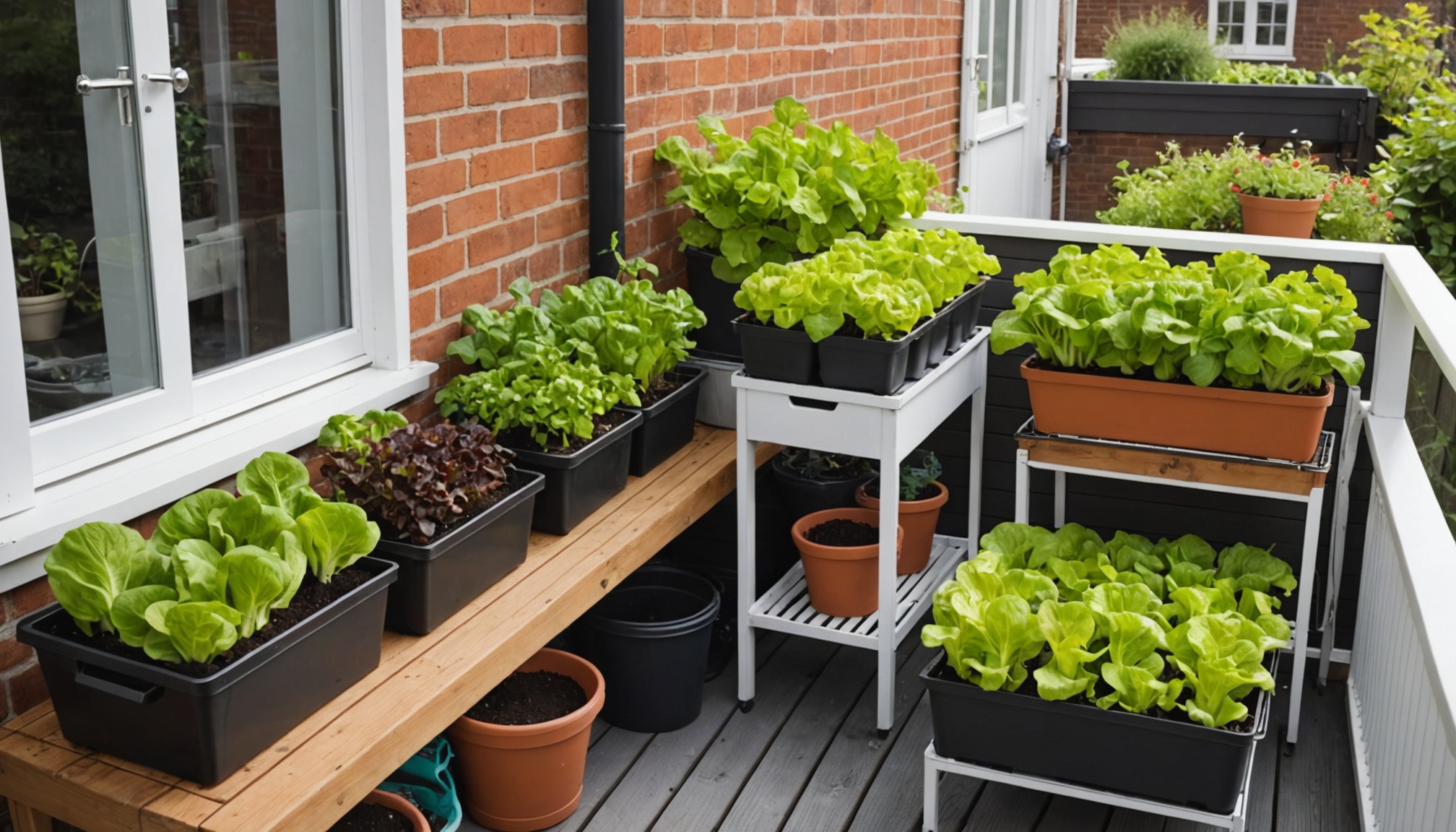
Spring is genuinely the best time to start a small-space garden. Whether you're working with a balcony, patio, or windowsill, you've got everything you need to grow real food and fresh herbs. The good news? You don't need much space or experience to succeed. Let me walk you through how to get started.
Getting Started: Keep It Simple
The biggest mistake beginners make is trying to grow everything at once. Start with one or two plants and build from there once you see what works in your space.
Focus on three basics:
- Container size matters. A 20cm pot works for herbs and lettuce; tomatoes and peppers need at least 30cm. Drainage holes are non-negotiable.
- Use proper potting mix. Buy peat-free multipurpose compost rather than garden soil — it drains properly and retains moisture evenly.
- Position for light. South-facing windowsills, balconies, and patios are ideal. Aim for at least 6 hours of direct sun daily for vegetables and herbs.
Timing: Know Your Frost Dates
This is where many beginners slip up. UK last frost dates vary by region — typically late May in the south, early June in the north. Timing matters because tender plants like tomatoes and peppers will simply die if exposed to frost.
Here's your spring timeline:
- March–April: Direct sow hardy crops like lettuce, spinach, and radishes straight into pots outdoors.
- March–April (indoors): Start tender seeds like tomatoes and peppers indoors 6–8 weeks before your last frost date. A heated propagator speeds up germination, but a warm windowsill works too.
- Late May onwards: Move hardened-off seedlings outside once frost risk has passed.
Keep a simple garden notebook jotting down sow dates and what actually worked. You'll learn your space's quirks quickly, and next spring you'll know exactly what to do.
Common Problems and Real Solutions
Yellow leaves: Usually overwatering. Check that your pots drain properly — if water sits in the saucer for hours, you're drowning the roots. Let the top of the soil dry out slightly between waterings.
Leggy, stretching seedlings: They're reaching for light. Move them closer to a window, rotate them daily, or consider a budget seed starting tray with LED lights for £25–35.
Aphids: Spray with a strong mist of water from a spray bottle. Repeat every few days if needed. They hate water jets.
Blossom end rot on tomatoes: This dark patch on the fruit base signals inconsistent watering. Water deeply and evenly — never let the pot completely dry out, but don't keep it soggy either.
Quick Tips That Actually Make a Difference
- Add a thin mulch layer (compost or shredded bark) on top of container soil to reduce water loss in hot weather.
- Tomatoes, peppers, and peas need support — even in pots. A simple bamboo cane prevents stem damage and keeps fruit off wet soil.
- Mix perlite into your potting compost (roughly 1 part perlite to 4 parts compost) for better drainage and air movement around roots.
- Check plants daily once the weather warms. Containers dry out much faster than ground soil — sometimes within hours on hot days.
- Label your pots as you sow. A pack of bamboo plant labels costs just £5–7 and saves confusion later.
Small-space growing is genuinely rewarding. You'll harvest lettuce in 6 weeks, fresh herbs all summer, and ripe tomatoes by August. Start small, pay attention to what your plants tell you, and enjoy the process. That's the real secret.