


◷ 6 min read
If you are looking for tips on container gardening tips for beginners, this guide covers everything you need. Container gardening is the answer for anyone with limited space — whether you're working with a tiny balcony, a shady patio, or a single windowsill. This spring is the perfect time to start, and the good news is that success hinges on one absolutely crucial detail: proper drainage. Get drainage right, and your plants thrive. Neglect it, and even the hardiest varieties will struggle. This guide walks you through everything a beginner needs to know to build a thriving container garden, starting with the drainage foundation that makes all the difference.
In This Article
Why Drainage Is Your Foundation: Container Gardening Tips For Beginners
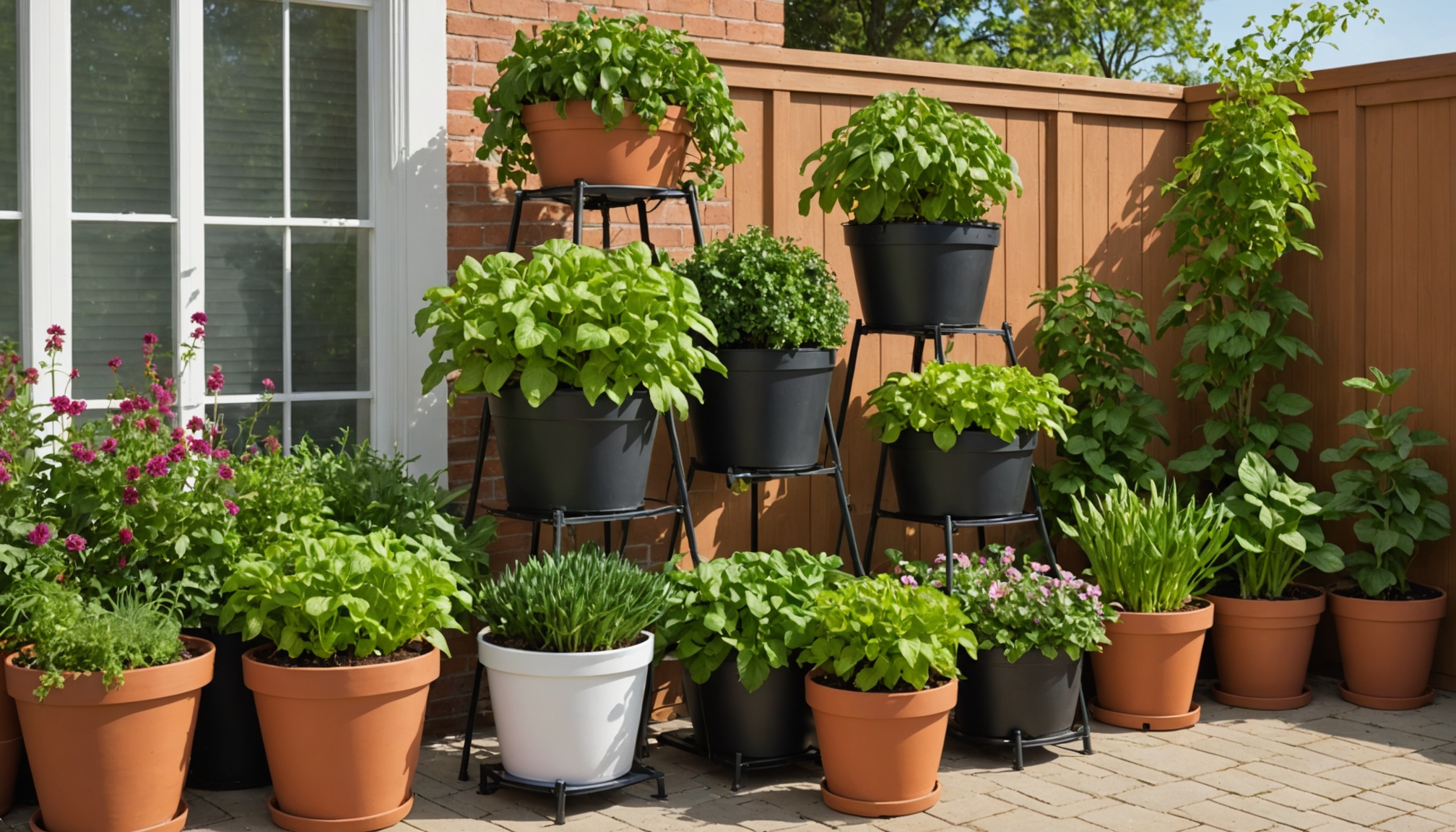
Proper drainage isn't just helpful — it's the difference between a thriving container garden and a graveyard of rotted roots. When water sits in the bottom of a pot, roots begin to decay within days, and once that happens, no amount of feeding or fussing will save the plant. Every container absolutely must have drainage holes in the base — ideally multiple holes at least 5mm across. If you've fallen for a beautiful pot without drainage, use it as a decorative outer container and nestle a draining pot inside. The trick that experienced gardeners swear by is placing pot feet or terracotta risers beneath your containers. This lifts them 2–3cm off the ground, allowing air to circulate underneath and preventing water pooling on patios or windowsills. It's a small detail that prevents more problems than you'd believe. For containers sitting on balconies or indoors, this simple elevation step prevents moisture accumulating against surfaces. Alongside drainage holes and risers, use a potting mix specifically formulated for containers — never garden soil. Garden soil compacts in pots, suffocates roots, and often harbours pests. A quality peat-free potting mix with added perlite provides the light, airy structure roots need whilst retaining just enough moisture between waterings. Refresh your mix each season; old, depleted soil compacts further and loses its drainage properties.
Getting Your Potting Mix Right
The soil you use in containers matters far more than most beginners realise. Garden soil is far too dense for pots — it compacts under repeated watering, squeezes out air, and creates waterlogged conditions that kill roots. Instead, invest in a peat-free potting compost. Look for bags labelled as 'multipurpose potting mix' or 'seed and potting compost' from any garden centre. The peat-free versions are now standard and just as effective as older peat-based products. For better drainage, mix your potting compost with perlite at a ratio of about 70% compost to 30% perlite. Perlite is those tiny white volcanic beads that look inert but create air pockets throughout the soil, dramatically improving drainage and aeration. A 20-litre bag of peat-free compost costs around £4–6, and a small bag of perlite adds another £3–4, giving you enough for multiple containers. If you're keen to save money, you can also add garden sand or coir to your mix, though pure perlite gives the best results. Never reuse potting mix from the previous year — it's compacted, depleted of nutrients, and may harbour disease spores or overwintered pests. Fresh mix each season costs little and makes an enormous difference to plant health. For herbs and leafy greens needing consistent moisture, you can use potting mix with slightly less perlite (60:40 ratio), whilst tomatoes and peppers prefer the airier 70:30 mix.
You might also enjoy: 10 Essential Way Tips.
Common Beginner Mistakes to Avoid
Most container gardening failures stem from just a handful of avoidable errors. Overwatering is by far the most common — newcomers water on a schedule rather than checking soil moisture, drowning plants in well-meaning care. Instead, check the top inch of soil with your finger. If it's dry, water thoroughly until it drains from the base. If it's still moist, wait another day or two. In spring and summer, this often means watering every 1–2 days; in winter, weekly is usually enough. Using garden soil instead of potting mix is the second major mistake. It compacts, drains terribly, and often introduces soil-borne diseases and pests into your container. Always use proper potting compost. Third, beginners plant in containers that are far too small. A tomato or pepper needs a minimum of 10 litres (roughly a 25cm pot), whilst basil can manage in 5 litres. Too-small pots mean roots circle endlessly, plants wilt constantly, and watering becomes a daily battle. Fourth, spreading yourself too thin by starting with ten different varieties leads to inconsistent care and frustration. Pick two or three reliable varieties — cherry tomatoes, basil, and lettuce are forgiving — and master those before expanding. Finally, overlooking drainage holes or not using pot feet means water accumulates, roots rot, and projects fail before they've properly started. Check every container has adequate drainage before planting anything.
Choosing the Right Container for Your Space
Container selection affects everything from drainage to how often you'll need to water. Fabric grow bags are the gold standard for vegetables and larger plants — they come in sizes from 5 to 20 litres, offer superior drainage and air circulation, and are remarkably affordable at £1–3 each. The fabric allows roots to naturally prune themselves rather than circling the pot, promoting healthier root systems. They're not fancy, but they work brilliantly. Rigid plastic pots are cheaper and look tidier on patios, but ensure they have multiple drainage holes drilled in the base and sides. Terracotta pots are beautiful but dry out quickly in spring and summer, requiring more frequent watering — fine for herbs in sheltered spots, less ideal for vegetables. Self-watering planters suit herbs and leafy greens that need consistent moisture, though they're overkill for drought-tolerant plants. For a balcony where you don't want to water daily, self-watering pots reduce stress. Whatever you choose, the golden rule is non-negotiable: adequate drainage holes. A 25cm pot needs at least four 5mm holes; a 30cm pot needs six. If you find a beautiful container without holes, use it as a decorative outer pot and slip a draining pot inside. Elevation matters too — use pot feet under every container to lift it 2–3cm off surfaces and allow air circulation beneath. This simple trick prevents waterlogging, mould growth, and staining on patios or balconies.
Solving Common Problems
Yellow leaves are the most common problem beginners encounter, and they usually signal one of two issues. First, check drainage immediately — if the soil feels waterlogged or smells sour, you're overwatering. Reduce frequency and ensure pot feet are lifting containers off surfaces. Second, yellowing can indicate nutrient deficiency, especially nitrogen. Feed with a balanced liquid fertiliser (20:20:20 NPK) every two weeks during the growing season. Leggy, stretched seedlings reaching desperately toward light mean they're not getting enough brightness. Move them closer to a window or, if your windowsill is shaded, use a budget-friendly grow light like the <a href="https://www.amazon.co.uk/dp/B07RSRX1RS?tag=potsandseeds2-21" rel="nofollow sponsored">Mars Hydro TS1000 LED Grow Light</a> positioned 15–20cm above seedlings. Pests like aphids cluster on soft new growth. A strong spray with the garden hose usually dislodges them; if they return, spray with diluted insecticidal soap. Blossom end rot on tomatoes appears as dark, sunken patches on the base of fruit — it's caused by calcium deficiency triggered by inconsistent watering. Maintain even soil moisture (neither waterlogged nor dried out), and new fruit develops normally. Wilting despite moist soil can mean root rot from overwatering — in this case, repot into fresh, dry compost and improve drainage. Most problems resolve quickly once you identify the cause and adjust your approach.
Quick Tips for Success
- Use fabric grow bags for superior drainage and root health — they outperform rigid pots and cost just £1–3 each
- Place pot feet or terracotta risers beneath every container to lift it 2–3cm off the surface, preventing waterlogging and air stagnation
- Mix peat-free potting compost with perlite at a 70:30 ratio to create an airy, well-draining medium that roots thrive in
- Water when the top inch of soil feels dry to the touch, not on a fixed schedule — this prevents the overwatering that kills more plants than any other mistake
- Choose compact or dwarf varieties specifically bred for containers, such as 'Tiny Tim' tomatoes or 'Patio Princess' courgettes, rather than full-size varieties
Frequently Asked Questions
What's the best potting mix for containers? +
How much sunlight do container plants need? +
Is container gardening suitable for complete beginners? +
How often should I water container plants? +
What's the drainage trick that makes the biggest difference? +
Found this helpful? Save it for later!
Found this helpful? Save it to your Gardening board on Pinterest!