


◷ 5 min read
If you are looking for tips on seed starting indoors guide, this guide covers everything you need. Container gardening is your ticket to growing fresh herbs, vegetables, and flowers even if you're working with a balcony, patio, or a single sunny windowsill. Spring is absolutely the best time to start — the soil's warming up, daylight's increasing, and most frost danger has passed by mid-May. With a few pots, some decent compost, and a handful of the right seeds, you'll be surprised how productive a small space can become. This guide walks you through exactly what you need to know to grow food in containers, avoid the pitfalls that catch most beginners, and have genuinely brilliant results by summer.
In This Article
Common Beginner Mistakes in Container Gardening: Seed Starting Indoors Guide
The biggest killer of container plants is overwatering. Roots sitting in soggy compost will rot within days — containers don't have the drainage of garden soil, so water pools easily. Check the top inch of your compost with your finger before watering; if it's still moist, leave it. The second mistake is using garden soil instead of proper potting compost. Garden soil compacts in containers, clogs drainage holes, and often carries soil-borne diseases. Always use a peat-free potting mix designed for containers. Third, beginners often choose containers that are too small. A tomato needs at least 5 litres (10 litres is better), while herbs like basil need minimum 2 litres. Tiny pots dry out constantly and restrict root growth, meaning more watering and poor yields. Finally, planting too many different varieties at once spreads your attention too thin. Pick two or three crops you actually eat — perhaps tomatoes, lettuce, and basil — rather than attempting ten varieties and neglecting them all. Focus and consistency will serve you far better than ambitious variety.
Budget-Friendly Container Gardening
You genuinely don't need expensive kit to grow well in containers. Save yoghurt pots, takeaway containers, and cardboard egg cartons — they're perfect for seed starting before you pot seedlings up into larger containers. Drill a few drainage holes with a screwdriver and you're done. For compost, make your own blend by mixing 60% peat-free multi-purpose compost, 30% perlite or horticultural grit, and 10% garden sand. This costs roughly half the price of bagged potting mixes and drains brilliantly. Collect rainwater in a butt or even an old plastic tub — it's free, better for your plants than chlorinated tap water, and saves money on water bills. Instead of buying ready-grown plug plants at garden centres (expensive and often leggy), invest in seed packets. A £1.50 packet of tomato seeds gives you 20+ plants; plugs cost £3-4 each. For windowsill herb growing on a tight budget, basic terracotta pots with drainage holes work perfectly — forget premium self-watering systems until you've proven you can keep basic plants alive.
You might also enjoy: 10 Essential Pot Gardening Mistakes to Avoid.
Choosing the Right Containers for Your Space
Container material and size matter more than people realise. Fabric grow bags (10-20 litres) are excellent for vegetables — they encourage air pruning of roots, drain superbly, and are cheap to replace yearly. Terracotta is beautiful and breathable but dries out fast in summer, meaning daily watering. Plastic pots are lightweight (great for balconies where weight matters) and retain moisture longer, but can look shabby after a season or two. For windowsills, self-watering planters or reservoir pots genuinely work well with herbs that like consistent moisture — basil, parsley, and mint appreciate the steady supply. Drainage holes are non-negotiable. If you love a pretty pot without drainage, use it as a decorative outer pot and slip a draining pot inside it. The absolute minimum container size matters: herbs need 2 litres, salad leaves need 3 litres, courgettes and bush beans need 10 litres, and tomatoes really need 15 litres minimum. I know larger containers are heavy and take up space, but undersizing is the fastest way to failure. Raise containers on pot feet or wooden blocks — this improves air flow underneath, prevents slugs hiding directly beneath, and stops root rot from sitting water pooling on hard surfaces.
Spotting and Fixing Common Problems
Yellow leaves usually signal overwatering or nutrient deficiency. Check your drainage holes are actually clear and working — this fixes 80% of yellowing. If drainage's fine but leaves stay yellow, feed with a balanced liquid fertiliser (tomatoes especially need regular feeding in containers). Leggy, spindly seedlings that look stretched and weak are reaching desperately for light. Move them closer to a bright window immediately or invest in a basic <a href="https://www.amazon.co.uk/dp/B07RSRX1RS?tag=potsandseeds2-21" rel="nofollow sponsored">Mars Hydro TS1000 LED grow light</a> if you're serious about seed-starting indoors. Pests on container plants are manageable. Aphids cluster on new growth and soft leaf undersides — blast them off with a strong spray of water from the tap, repeating weekly. If they return, neem oil spray works well. Blossom end rot on tomatoes (dark sunken patches on the fruit bottom) happens from inconsistent watering — usually underwatering in hot spells. Water deeply and regularly, aiming for even moisture rather than feast-and-famine cycles. Powdery mildew on courgettes or squash appears as white dusty coating — improve air circulation by spacing containers further apart and watering at the soil level, not overhead.
Companion Planting in Small Spaces
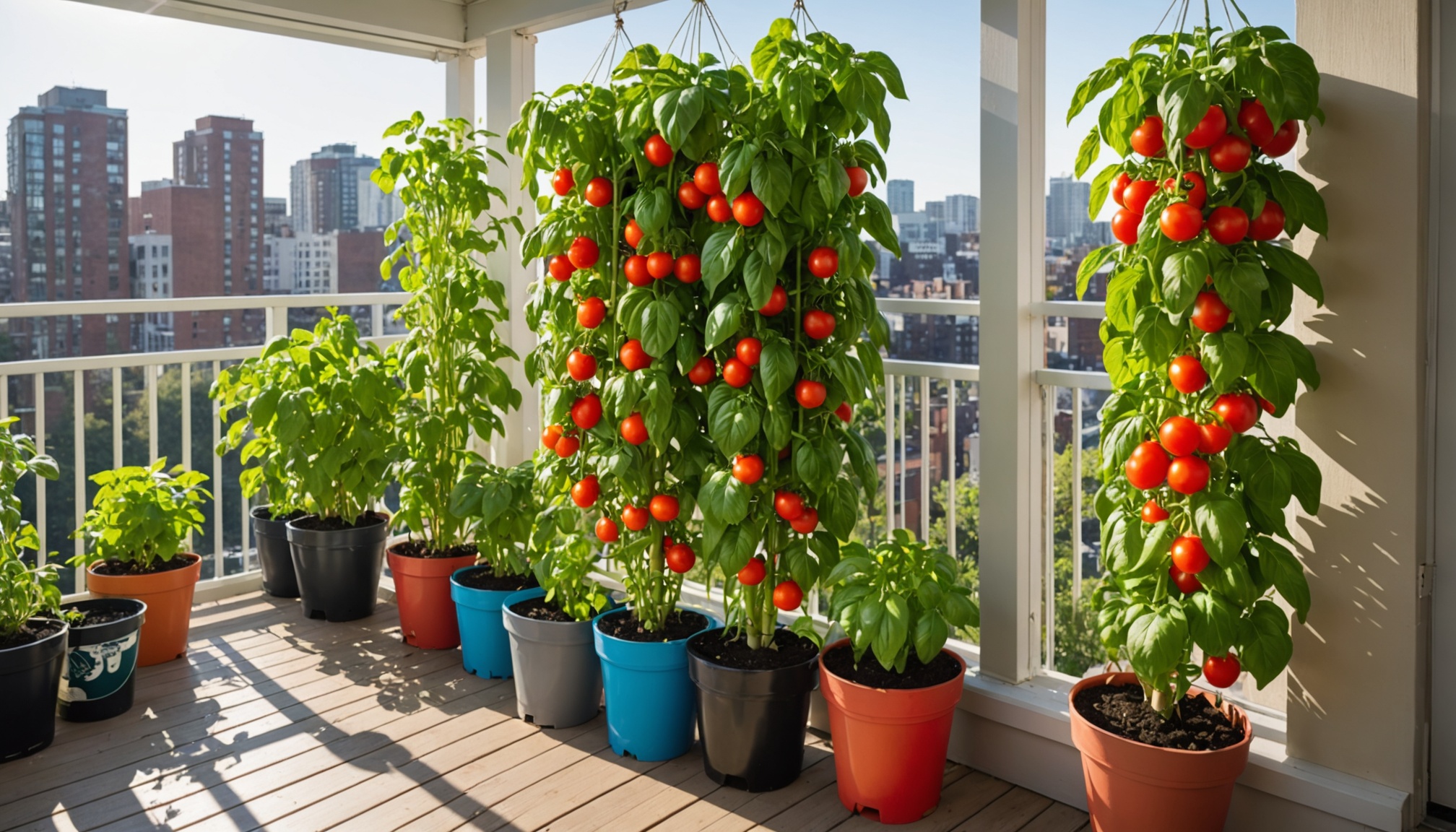
Even with limited space, pairing the right plants together improves yields and deters pests naturally. Basil planted alongside tomatoes genuinely enhances flavour and repels aphids — they're perfect container companions anyway since both love warmth and sun. Marigolds near almost any vegetable deter whitefly and other soft-bodied pests; they're edible too, so they earn their space. Chives planted with salad leaves or lettuce work as a sacrificial trap crop, attracting pests away from tender leaves. Nasturtiums similarly act as pest magnets, keeping aphids focused on them rather than your main crops. Herbs and vegetables work beautifully together: parsley with tomatoes, dill with beans, coriander with salads. In a 20-litre container, you might grow a tomato plant with basil at the base and nasturtiums trailing over the edge — three crops using one pot's space and each helping the others. This mixed approach adds biodiversity, which naturally reduces pest outbreaks. Even a single windowsill herb pot benefits from a marigold tucked in — it flowers prettily and works hard for you.
Quick Tips for Success
- Tomatoes and climbing beans need support even in containers — use a simple bamboo cane (£1-2) pushed deep into the soil. Tie stems loosely with twine every 30cm as they grow to prevent wind damage and stem snapping.
- Water in the morning so foliage dries completely by evening. This reduces fungal disease risk (powdery mildew, leaf spot) which thrives on wet leaves overnight.
- Rotate which crops go into which containers each growing season. This prevents soil-borne diseases from building up — if blight hit your tomato pot last year, plant beans or herbs there instead this year.
- Use dwarf or compact varieties specifically bred for containers. 'Patio' or 'bush' tomatoes, compact lettuce varieties, and determinate beans save space and produce reliably in pots.
- Feed container plants every 2-3 weeks once they start flowering or fruiting. Containers have limited compost reserves, so nutrients deplete faster than in garden soil — a diluted tomato feed or balanced liquid fertiliser makes an enormous difference to yields.
Frequently Asked Questions
What soil mix works best for container gardening? +
When should I start planting containers in the UK spring? +
How do I deal with pests on container plants? +
How often should I water containers? +
Found this helpful? Save it for later!
Found this helpful? Save it to your Gardening board on Pinterest!