


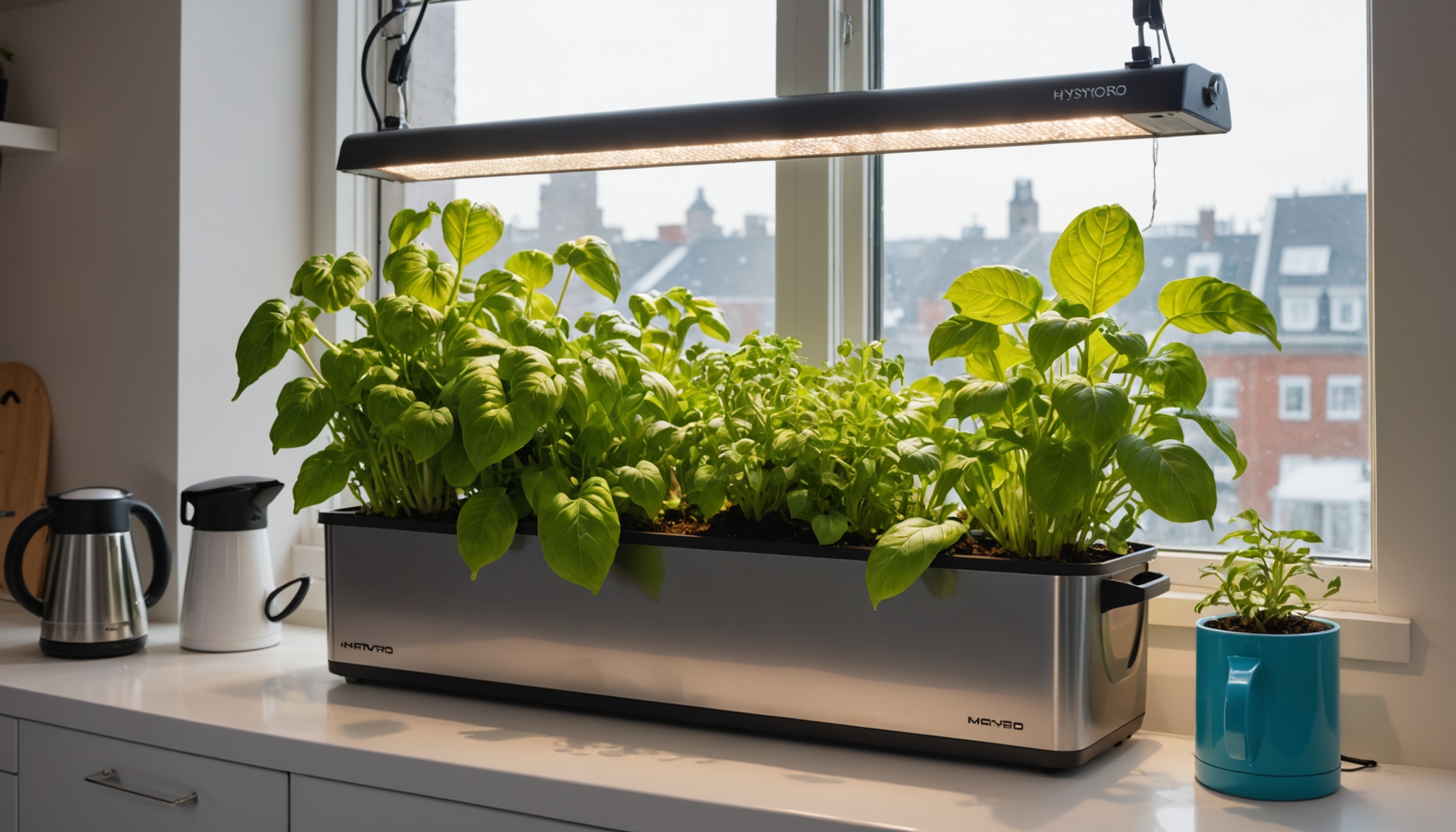
Growing food on a balcony, patio, or windowsill is one of the most rewarding things you can do this spring—and it's far simpler than you might think. Whether you're working with a tiny London flat or a modest suburban patio, you can produce fresh herbs, salad leaves, and vegetables in small containers without any fancy equipment. This guide covers everything you need to get started.
Light: The Foundation of Success
Most edible plants need at least 6 hours of direct sunlight daily. If your space has a south-facing windowsill or balcony, you're already in a strong position. In the UK, south-facing spots get the most consistent light throughout the year. If you're limited to 4 hours or less of direct sun, don't worry—leafy greens like lettuce, spinach, and chard are genuinely happy in partial shade, as are most herbs like parsley and mint.
For year-round growing regardless of natural light, an LED grow light is a game-changer. The Mars Hydro TS600 is affordable and powerful enough for a small balcony or shelf, running 14–16 hours daily to replace natural sunlight entirely.
Getting Started: What You Actually Need
You don't need expensive kit. Start with containers at least 15–20cm deep for herbs and small greens. Old yoghurt pots, takeaway containers with drainage holes drilled in, or budget terracotta all work beautifully. A small indoor watering can keeps watering precise and easy on a windowsill.
Fill containers with proper potting compost—not garden soil, which compacts and drains poorly in small spaces. Peat-free multi-purpose compost works brilliantly and is kinder to the environment. A pack of bamboo plant labels helps you remember what you've sown and when—trust me, you'll forget otherwise.
For seeds, a mixed herb and vegetable collection gives you plenty of variety without commitment, perfect for experimenting on a tight space.
Companion Planting in Tight Spaces
You can boost yields and manage pests naturally even in small containers. Basil planted alongside tomatoes genuinely improves flavour and repels aphids. Marigolds near most vegetables deter whitefly and other soft-bodied pests. Chives and nasturtiums work as sacrificial plants—pests prefer them, leaving your main crops alone. In limited space, this mixed-planting approach adds biodiversity and pest resilience without taking up extra room.
Harvesting and Making the Most of It
Timing matters. Pick salad leaves and herbs in the morning when they're most hydrated—they'll taste fresher and last longer in the fridge. Use the cut-and-come-again method: harvest lettuce and spinach from the outside leaves, and the centre continues growing for weeks. This approach stretches a single container's harvest nicely.
For storage, herbs dry brilliantly on kitchen paper in a warm cupboard, or freeze them in oil ice-cube trays for winter cooking. Fresh basil makes pesto in minutes. Root vegetables need a cool, dark spot—a cardboard box in a cupboard works perfectly.
Mistakes to Avoid
Most beginner setbacks come from a few common pitfalls. Overwatering tops the list—containers need to dry out slightly between waterings. Stick your finger into the compost; if it's moist 2cm down, leave it. Too-small containers make life harder; herbs and greens need at least 15cm depth. Finally, starting with too many varieties at once spreads your attention too thin. Pick two or three crops you actually want to eat and master those first.
Budget-Friendly Spring Start
You genuinely don't need to spend much. Repurposed containers cost nothing. Basic seeds are a few pounds. A fine mist spray bottle and a small watering can are under £20 combined. The only investment worth considering is good compost—cheap compost often underperforms and you'll end up frustrated. Everything else grows from there as your confidence builds.