


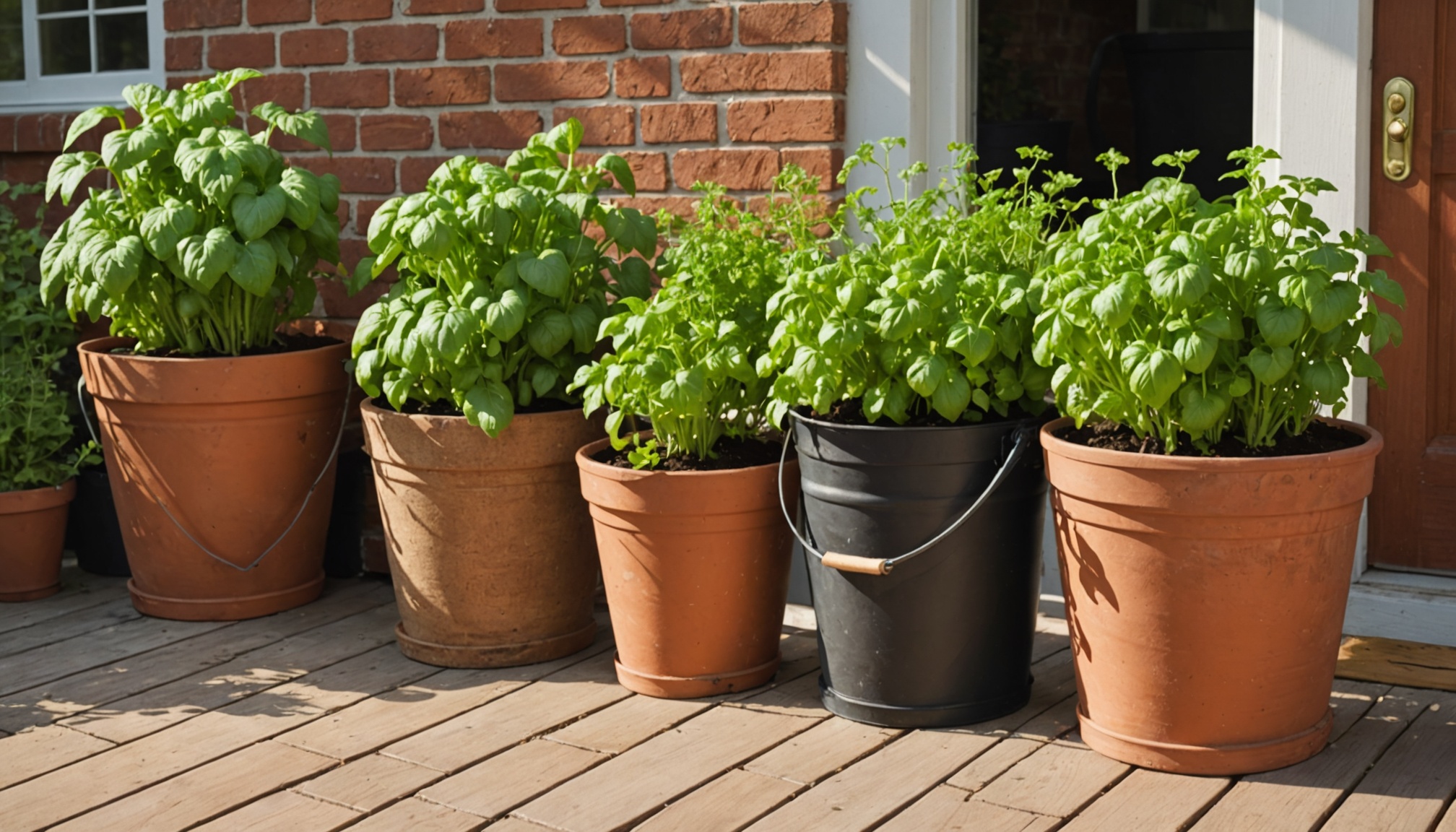
Start Your Spring Container Garden — Avoid These Common Mistakes
Container gardening on a balcony or patio is genuinely one of the easiest ways to grow your own food and herbs, especially if space is tight. Spring is absolutely the right time to start — whether you're sowing seeds indoors now or planning what to plant outside after the last frost in mid-May. I've seen beginners get brilliant results within weeks, but they usually stumble over the same few mistakes.
The biggest culprit? Overwatering. Containers need to dry out slightly between waterings, and it's genuinely easier to revive a slightly thirsty plant than one with waterlogged roots. Second mistake: using garden soil instead of proper potting compost. Garden soil compacts in pots and drains terribly. Grab bags of peat-free multi-purpose compost — they're affordable and do the job well. Third, people plant in containers that are far too small. A 15cm pot dries out constantly and forces you to water daily. Stick with at least 20-30cm diameter pots for vegetables, or use fabric grow bags, which offer brilliant drainage and air circulation.
Finally, don't try growing ten different things at once. Focus on two or three reliable varieties first — herbs like basil, parsley, and chives, or vegetables like courgettes, lettuce, and tomatoes. You'll learn faster and actually enjoy it.
Choose Your Containers Wisely
Container choice genuinely affects everything. Fabric grow bags are my top recommendation for most vegetables because they provide natural drainage and roots can't circle endlessly. Self-watering planters work brilliantly for herbs and leafy greens that need steady moisture without you fussing constantly. Whatever you choose, make sure it has proper drainage holes — that's non-negotiable.
If you're on a budget, terracotta pots are cheap and cheerful, though they dry out quickly in warm weather. Plastic pots work fine too. Save yoghurt containers and old takeaway tubs for seed sowing — just poke drainage holes in the bottom with a skewer.
Budget-Friendly Tips That Actually Work
You don't need expensive kit to grow well. Buy seeds rather than plug plants — a packet collection with herbs and vegetables costs a fraction of what you'd spend on plugs. Start seeds in egg cartons or yoghurt pots before investing in proper trays. Make your own potting mix by blending peat-free compost with perlite and coarse sand — it's far cheaper than buying bags of seed compost.
Collect rainwater in a bucket if you can — it's better for plants than tap water and completely free. Buy a basic 1-litre watering can with a removable rose for gentle watering. Skip the fancy gadgets and focus on what actually matters: good compost, proper drainage, and consistent watering.
Spot Problems Early and Fix Them
Yellow leaves usually mean overwatering or nutrient deficiency. Check your drainage first — if it's sound, give the plant a balanced liquid feed. Leggy, stretched seedlings are reaching for light; move them closer to a window or invest in a basic grow light if indoors. Aphids cluster on new growth and come off with a strong spray of water from a mist spray bottle. Blossom end rot on tomatoes comes from patchy watering — keep moisture levels even and it stops.
Companion Planting in Small Spaces
Growing the right plants together improves yields and saves space. Basil planted with tomatoes is said to enhance flavour and repel aphids naturally. Marigolds near most vegetables deter whitefly. Nasturtiums and chives work as sacrificial plants that attract pests away from your main crops. Even in a small pot, mixing plants together adds biodiversity and looks lovely.
Quick Wins for Success
- Use fabric grow bags for the best drainage and natural air pruning of roots
- If using self-watering planters, let the reservoir empty occasionally to prevent salt buildup
- Add a thin mulch layer on top of container soil to reduce water loss in warm weather
- Label your containers with bamboo plant labels — you'll forget what you planted otherwise
- Support climbing plants and tall varieties with bamboo canes early on, before they get tangled
When to Plant in the UK
Start tender vegetables like tomatoes, courgettes, and basil indoors from February to March. They'll be ready to move outdoors after the last frost around mid-May. Hardier crops like lettuce, spinach, and peas can go directly into containers outdoors from April onwards. Check your local frost date if you're unsure — the Royal Horticultural Society website has postcode-specific guidance. Be patient with warm-season crops; planting them too early into cold soil just wastes seeds.